
As more homeowners across the UK turn to solar energy, one question keeps coming up – what happens to the electricity my panels produce when I’m not using it? That’s where home battery storage comes in. A solar battery system allows you to store the energy generated during the day and use it later- helping you reduce energy bills, cut grid dependence, and make the most of your solar investment.
What Is a Home Battery Storage System?
A home battery storage system works by storing excess solar electricity generated by your panels instead of sending it straight to the grid. This stored energy can then be used at night or during cloudy weather when your panels aren’t producing power.
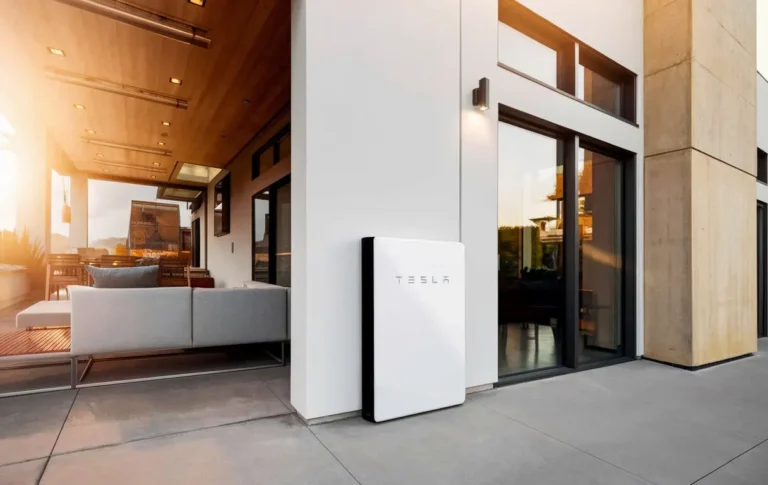
Modern batteries, such as those from Tesla, GivEnergy, or Fox, are designed to work seamlessly with your solar PV system, keeping your energy supply smooth, reliable, and efficient.
How Battery Storage Works
Here’s how a typical setup functions:
- Daytime generation: Your solar panels produce electricity whenever sunlight hits them.
- Home usage first: This solar power runs your household appliances and lighting.
- Storage next: Any surplus power that isn’t used immediately is automatically stored in your battery.
- Night-time release: When the sun goes down, the battery releases the stored energy to power your home.
- Grid export: Once the battery is full, any extra electricity can be exported to the grid through the Smart Export Guarantee (SEG), allowing you to earn payments.
This cycle repeats daily, reducing the amount of power you draw from the grid and keeping your energy costs low.
Why Battery Storage Matters
- Greater Energy Independence – With a battery, you rely less on your energy supplier. Even during power outages or grid disruptions, a battery with backup capability can keep essential appliances running.
- Lower Electricity Bills – By using stored solar power at night, you reduce the need to buy electricity at higher peak-time rates. Homes with solar batteries can increase their self-consumption from around 50% to as much as 90%, meaning less energy wasted and more money saved.
- Maximise Your Solar ROI – A battery allows you to capture and use every bit of solar energy you generate. Over time, this improves the return on your solar investment and shortens the payback period.
- Smart Tariff Integration – Some smart batteries can automatically charge from the grid during cheaper, off-peak hours – like overnight – and discharge when prices rise. This feature further reduces costs even when your panels aren’t producing much energy.
- Environmental Impact – By storing renewable energy instead of wasting it, you’re reducing carbon emissions and supporting the UK’s shift towards a cleaner, greener power system.
How to Choose the Right Solar Battery
When choosing a solar battery for your home, consider:
- Capacity (kWh): The amount of energy the battery can store. Typical UK homes use 4-12 kWh per day.
- Compatibility: Ensure the battery works with your solar inverter and system design.
- Warranty & lifespan: Most quality batteries come with a 10-year warranty or more.
- Smart features: Look for monitoring apps and energy management tools.
- Installer certification: Always choose an MCS-certified installer for safety and compliance.
The Future of Solar + Storage
As energy prices rise and demand for renewables grows, battery storage systems are becoming a must-have for UK homes. Future-ready batteries integrate seamlessly with EV chargers and smart home systems, allowing you to control how, when, and where your energy is used – all from a mobile app.
Final Thoughts
Adding battery storage to your solar PV system is one of the smartest energy upgrades you can make. It lets you store sunshine for later, save more on electricity bills, and protect yourself from energy price spikes.
Whether you’re planning to install solar panels or already have them, investing in a solar battery system helps you take a big step towards energy independence and a cleaner, more sustainable lifestyle.